NAFDAC approves Pfizer -BioTech COVID-19 Vaccine for use in Nigeria

NAFDAC approves Pfizer -BioTech COVID-19 Vaccine for use in Nigeria

NAFDAC approves Pfizer -BioTech COVID-19 Vaccine for use in Nigeria

By Chioma Obinna

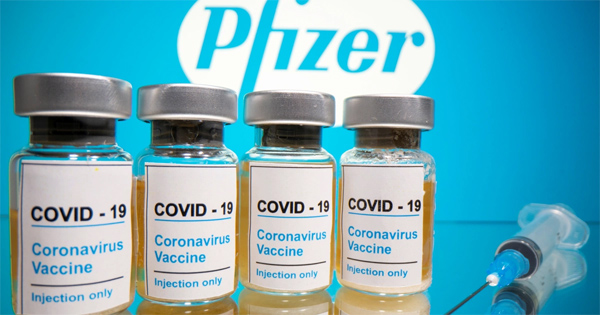
The National Agency for Food and Drug Administration and Control (NAFDAC) on Friday approved the use of Pfizer COVID-19 vaccine in Nigeria.

This is coming a few months after it gave authorisation for the use of the Oxford-Astrazeneca jabs in the country.

READ ALSO: No plans to hike electricity tariff — Minister

Announcing this at a press conference in Lagos, the Director-General of NAFDAC  Mojisola Adeyeye explained that the pfizer-Bio Tech vaccine was for emergency use only.

She added that the vaccine can now be stored between -15 to -25   equivalent to freezer temperature.

Vanguard News Nigeria

The post NAFDAC approves Pfizer -BioTech COVID-19 Vaccine for use in Nigeria appeared first on Vanguard News.


by Lawal Sherifat via Vanguard News https://ift.tt/2SkheNt Best Known Member of the Cabinet Wikipedia

Comments

Popular posts from this blog

10-kilometre walk in rememberance of Bruce Mayrock (1949 – 1969)

By Chike Anyaonu I got to know about this name, Bruce Mayrock, some four years ago through Barrister CHUDI Ofodile’s book titled The Politics of Biafra: and The Future Of Nigeria and published by Safari Books Limited, Ibadan in 2016. Ever since then, I have been trying to dig deeper and deeper into the archives to learn more about this young altruistic, dynamic and benevolent personality. An enigma of sorts, for that matter. Ofodile had, in chapter seven of his book, cited Bruce as one of “Biafra’s non- Igbo actors”, those who participated in one way or the other to fight the cause of the ill-fated Republic of Biafra that were not of Igbo origin. One of them who is still alive today is Wole Shoyinka. Though this write up is a kind of joint tribute to all of them, Bruce Mayrock, for me, deserves a special and everlasting mention. He was not an African, but a citizen of the United States of America. So what concerned a 20-year-old university student   in America with what ...

COVID-19: Kano overtakes FCT with total confirmed cases, records 80 in 24 hours

By David Royal Kano state on Thursday overtook the Federal Capital Territory, Abuja, with total confirmed cases of COVID-19 after recording 80 cases in 24 hours, bringing the total number of confirmed cases in the state to 219, while Abuja has a total of 178. The Nigeria Centre for Disease Control (NCDC), Thursday, announced that 204 new cases of coronavirus (COVID-19) have been reported in the last 24 hours, bringing the total number of confirmed cases in the country to 1932. NCDC also announced that seven more fatalities were recorded, bringing the total number of deaths to 58. The NCDC, in a tweet at about 11:50 p.m. on Thursday, said of the 204 new cases,   80 were recorded in Kano state, 45-Lagos, 12-Gombe, 9-Bauchi, 9-Sokoto, 7-Borno, 7-Edo, 6-Rivers, 6-Ogun, 4-FCT, 4-Akwa Ibom, 4-Bayelsa, 3-Kaduna, 2-Oyo, 2-Delta, 2-Nasarawa, 1-Ondo, 1-Kebbi. Thursday’s 204 new cases are the highest reported in a day since the outbreak of the pandemic in February. READ ALSO: COVID-19:...

Senate urges FG to subsidise electricity for Nigerians

Senate President Lawan The Senate on Tuesday asked the Federal Government to subsidise electricity for Nigerians in a bid to alleviate the proposed hike in electricity tariff which had been deferred to next year. Chairman Senate Committee on Power, Sen. Gabriel Suswam made the call while briefing newsmen in Abuja. NAN reports that the leadership of the National Assembly on Monday waded into the controversy on the planned hike in electricity tariff from July 1. The representatives of the Distribution Companies (DISCOs) had maintained the same ground that they would support the suspension of the planned hike only if government would bear the differences in the present tariff and what was considered as the appropriate tariff. Addressing newsmen, Suswam said “No where in the world that power is not subsidised especially in developing economies because there are genuine people, who, because of their income, are unable to pay what is called cost-reflective tariff. “Nigerians are hea...